
Obtén reseñas detalladas de los corredores de trading en Latinoamérica para evitar estafas.
Analizamos productos e investigamos detalladamente para facilitar tus compras diarias y poderlas realizar con seguridad.
Los probamos y examinamos. Durante semanas/meses, nuestros expertos depositan, retiran, y utilizan todas las funciones y herramientas en varias plataformas de trading para garantizar que nunca pierdas tu dinero en un fraude.
Una simple búsqueda en PlayStore, Apple Store o Google te mostrará que existen más de 100 plataformas de trading. Esto plantea las siguientes preguntas:
- ¿Cómo identificar plataformas legítimas y seguras en Latinoamérica?
- Una vez identificadas, ¿cuál de ellas te ofrece las más atractivas oportunidades de inversión?
- Asimismo, ¿cuál es el tipo de inversionista al que se adaptan?
Para responder estas preguntas, desarrollamos un sofisticado sistema que incluye el análisis de aspectos clave de cada plataforma. Lee, a continuación, para saber más sobre este sistema.
Conclusiones basadas en nuestros análisis
KEstandarizamos los resultados de nuestro análisis para facilitar las comparaciones entre varios corredores. Primero clasificamos a las empresas como:
NO ESTAFA
De acuerdo
Esta es una empresa legítima y confiable con retiros exitosos comprobados, donde puedes depositar y retirar a tu conveniencia.
ESTAFA
Estafa/Fraude
Evita usar estas plataformas, pues lo más probable es que pierdas tu dinero. Retirar puede ser una agonía por razones tales como que el saldo mínimo es elevado o los métodos para retirar son limitados. También existe la posibilidad de que no encontremos suficientes pruebas de retiro. La empresa es conocida por sus actividades fraudulentas y no está regulada por ninguna organización legítima.
Recomendado
- Recomendado para operadores específicos: plataformas que son más adecuadas a un tipo específico de perfil de inversionista.
Recomendado para todos y cada uno: plataformas que cualquier inversionista puede usar.
No Recomendado
Cuando una plataforma no es adecuada para ningún tipo de inversionista, lo más probable es que se trate de una estafa diseñada como carnada para atraer inversionistas incautos, especialmente principiantes.
Todas las reseñas contienen tanto un resumen como un análisis detallado de la plataforma. Cubrimos cada rincón y grieta para que el uso de cualquiera de ellas se haga sin esfuerzo, desde cómo iniciar sesión, retirar y depositar hasta cómo usar bonificaciones, operar, etc.
Después de escoger el corredor, invierte un poco de energía en educarte y capacitarte
Después de escoger el corredor, invierte un poco de energía en educarte y capacitarte
El leer las reseñas de nuestros corredores puede darte una muy buena idea sobre dónde operar. ¡Pero es igualmente importante que te eduques!
El trading en línea no es fácil, por ello, una vez que hayas elegido tu corredor, te sugerimos que, antes de arriesgar dinero real, comiences usando la cuenta demo que se ofrece, leyendo sus materiales de capacitación, viendo sus videos educativos y probando distintas estrategias.
Cómo examinamos cada plataforma
En todos los análisis, proporcionamos información resumida y análisis completo. El objetivo es brindarte toda la información necesaria para que puedas decidir qué es lo mejor para tu caso específico.
1. Validación de información pública
¿La plataforma está regulada por la organización u organismo gubernamental que afirma que la regula? Nuestros expertos verifican toda la información y corroboran la legitimidad/credibilidad de los reguladores y agencias, de forma que nunca te quedes en el aire en caso de agravio.
2. Prueba de las funciones y herramientas de la plataforma
Cada herramienta y función se prueba minuciosamente para chequear cómo ayuda y el tipo de operador para el cual es más adecuada, desde los gráficos y extensiones que proveen dichas plataformas hasta la facilidad de crear y renovar una cuenta demo.
3. Examen profuso de la plataforma
¿Existe amplia variedad de métodos para realizar retiros? ¿Cuánto tardan los depósitos y retiros en hacerse efectivos? ¿Es rápido y fácil conectarse con el personal de soporte y están estos bien informados sobre la plataforma para proporcionar soluciones rápidamente?
Examinamos en profundidad cada rincón de la plataforma para brindar los detalles más precisos, a fin de que cada tipo de inversionista sepa exactamente cuál plataforma está hecha a su medida.
También nos ayuda a confirmar si estas plataformas son reflejo fiel de su publicidad y qué tipo de resultados esperar de ellas.
4. Satisfacción de los usuarios actuales
Desde foros relacionados con trading, sitios de quejas, reseñas en los canales de PlayStore y YouTube, exploramos la internet y tomamos en cuenta una miríada de información antes de sugerir si una plataforma es, o no, segura para ti.
Y no solo en inglés, pues las reseñas e información en otros idiomas también son un aspecto importante de nuestra investigación a objeto de garantizar que las personas a nivel mundial estén protegidas.
5. Veredicto final
Compilamos toda la información en un breve análisis y una revisión detallada, junto con tablas de comparación, para darte una idea clara acerca de estas plataformas y a quién se ajustan.
Desde los mejores sitios de comercio de tiempo fijo hasta opciones binarias, los probamos y probamos todos
El comercio de opciones binarias ha ganado popularidad a lo largo de los años y creemos que hay dos razones principales. En primer lugar, incluso los principiantes pueden aprenderlo en días y, en segundo lugar, la posibilidad real de obtener ganancias considerables en un tiempo rápido.
Y para capturar este mercado en auge, hay un gran aumento en la cantidad de plataformas comerciales disponibles. Y si bien hay algunos genuinos, también hay muchos fraudulentos de los que debe estar atento.
Para asegurarse de no perder su dinero con estas estafas, es importante elegir plataformas después de las recomendaciones de fuentes que las hayan probado.
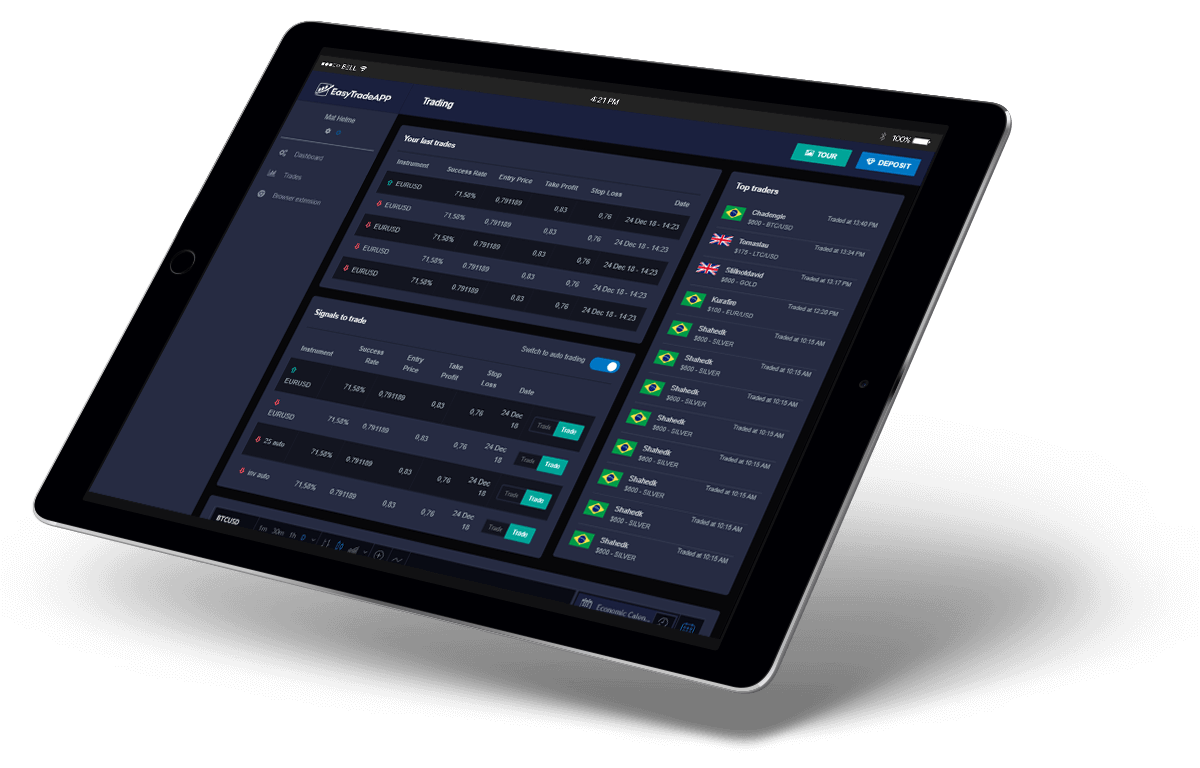
Corredores más recomendados en Latinoamérica

MÁS POPULAR
Advertencia de riesgo:
No proveemos ningún tipo de consejo de inversión y no nos hacemos responsables por las pérdidas causadas en tu actividad de trading. Debido al apalancamiento, las operaciones a tiempo fijo (FTT) y los CFD son instrumentos complejos y conllevan un alto riesgo de rápida pérdida de dinero. Debes sopesar si entiendes el funcionamiento del trading en línea y si puedes permitirte asumir el alto riesgo de perder tu dinero.
Descargo de responsabilidad del anunciante:
Nuestro sitio web es gratuito para todos, pero ganamos una comisión de algunos de los corredores, sin costo adicional para ti. Por favor, considera utilizar nuestro enlace para abrir tu cuenta de manera que podamos continuar proporcionando opiniones de corredores e información útil gratuitamente.
Contáctanos
© 2021 Cepal.cl, All Rights Reserved.